
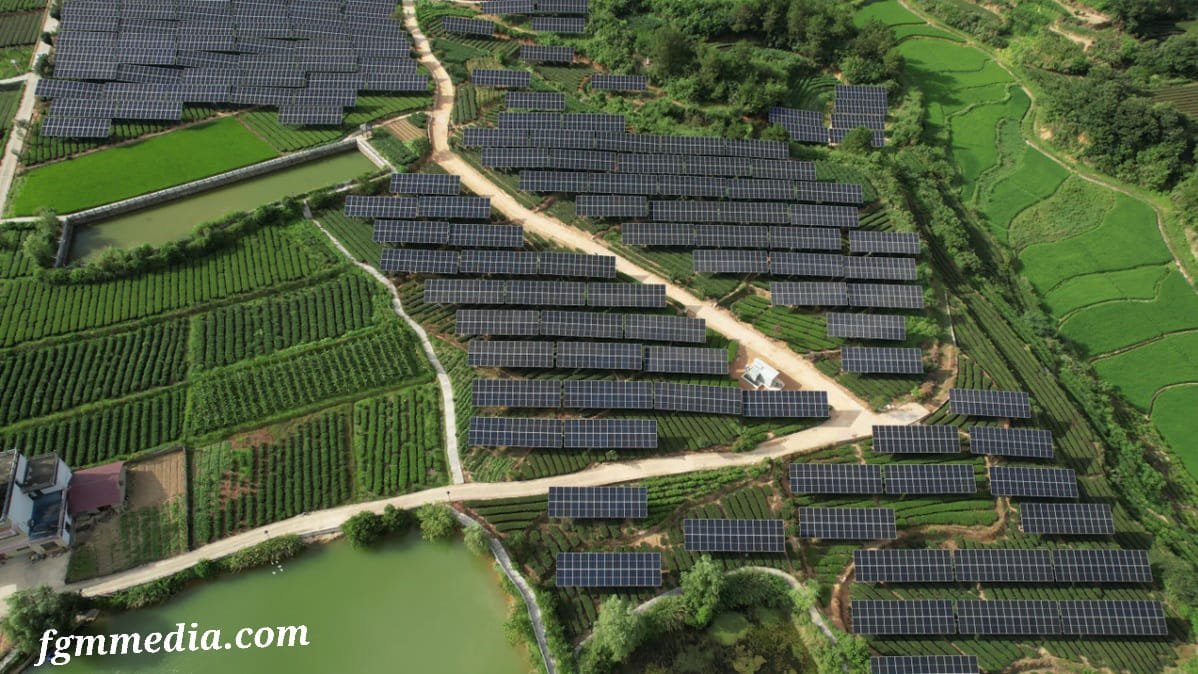
Imagine sipping a warm cup of tea while basking in the glow of solar energy. It may sound like a dream, but it’s becoming a reality for many tea farms around the world. The marriage of solar panels and tea cultivation is not just innovative; it’s essential for fostering sustainability in agriculture. As climate change looms overhead, farmers are seeking solutions that nurture both their crops and our planet.
This partnership between solar energy and tea farming presents an exciting opportunity to revolutionize how we think about agricultural practices. By harnessing renewable energy, these farms can thrive economically while minimizing their environmental impact. Let’s delve into this burgeoning relationship that promises to reshape the future of sustainable agriculture—one sip at a time!
Solar Panels and Tea Farms: A Sustainable Partnership for the Future
The synergy between solar panels and tea farms is a forward-thinking approach to sustainable agriculture. By integrating solar technology, farmers can tap into renewable energy sources while maintaining their traditional practices. This innovative partnership allows for efficient use of land and resources.
Solar panels not only provide clean energy but also reduce operational costs. Tea farms can decrease their reliance on fossil fuels, making significant savings in the long run. The reduced carbon footprint enhances the sustainability profile of these farms, appealing to environmentally conscious consumers.
Farmers are finding that this blend of tradition and modernity fosters resilience against climate change impacts. As they adopt solar power, tea producers can remain competitive while preserving the environment for future generations. It’s an exciting time where innovation meets nature, creating a harmonious balance for both crops and communities alike.
The Connection Between Solar Panels and Tea Farms
The connection between solar panels and tea farms is rooted in sustainability. Tea cultivation requires significant energy for irrigation, processing, and transportation. Harnessing solar energy can reduce reliance on fossil fuels, providing a cleaner alternative.
Tea farms often occupy vast areas of land that receive ample sunlight—ideal for solar installations. Integrating these systems allows farmers to generate their own electricity while maintaining the health of their crops.
Moreover, this partnership contributes to reducing carbon footprints across the agricultural sector. By embracing renewable energy sources like solar panels, tea producers can align with global efforts toward sustainable practices without compromising productivity or quality.
Benefits of Implementing Solar Panels in Tea Farms
Implementing solar panels on tea farms offers numerous advantages. First, it significantly reduces energy costs. Tea production involves various processes that require substantial power. By harnessing solar energy, farmers can lower their electricity bills and reinvest those savings into their operations.
Second, the adoption of solar technology helps improve sustainability. Solar panels generate clean energy, reducing reliance on fossil fuels. This shift not only benefits the environment but also enhances a farm’s marketability as eco-friendly practices become increasingly important to consumers.
Solar installations can provide additional income streams through government incentives or selling excess power back to the grid. This financial flexibility allows tea farmers to innovate and grow while contributing positively to both local economies and global sustainability efforts in agriculture.
Environmental and Economic Impact
The integration of solar panels into tea farms creates a powerful synergy, benefiting both the environment and the economy. By harnessing renewable energy, these farms reduce their carbon footprint significantly. This shift contributes to cleaner air and water resources while preserving biodiversity.
Economically, tea farmers can experience reduced energy costs over time. Solar power can offset electricity expenses, allowing funds to be reinvested into sustainable practices or farm improvements. Additionally, many regions offer incentives for adopting solar technology, further enhancing financial viability.
Moreover, this partnership supports local economies by creating green jobs in installation and maintenance sectors. A commitment to sustainability not only attracts eco-conscious consumers but also promotes resilience against climate change impacts—essential for long-term agricultural success and profitability in the competitive market of teas passage.
Case Studies of Successful Partnerships
Around the world, various tea farms have embraced solar panels with remarkable success. One notable example is a tea estate in India that installed a solar array to power its operations. By harnessing sunlight, they significantly reduced energy costs while maintaining sustainable practices.
In Kenya, another innovative approach emerged when a cooperative of tea farmers integrated solar technology into their production processes. This initiative allowed them to provide electricity not only for farming but also for local communities, enhancing quality of life and creating jobs.
Meanwhile, in Sri Lanka, a large-scale tea plantation partnered with an energy firm to install solar panels on rooftops and unused land. The project improved farm efficiency while showcasing how renewable energy can complement traditional agriculture like never before. These partnerships illustrate transformative potential through sustainability-driven innovation in the tea industry.
Challenges and Solutions for Solar Panels on Tea Farms
Integrating solar panels into tea farms presents unique challenges. One major hurdle is the initial cost of installation, which can deter farmers from embracing this technology. Additionally, concerns about land use arise, as some fear losing valuable space for tea cultivation.
Maintenance also poses a challenge. Tea farms often operate in remote areas where access to service and repair teams can be limited. This may lead to delays in addressing technical issues or cleaning the panels regularly, ultimately affecting efficiency.
However, innovative solutions are emerging. Leasing options can ease financial burdens by allowing farmers to install solar systems without upfront costs. Community-based initiatives also encourage knowledge sharing and collaborative maintenance efforts among local farmers, ensuring that everyone benefits from sustainable practices while continuing to produce high-quality teas.
The Future of Sustainable Agriculture
The future of sustainable agriculture is bright and full of possibilities. As technology advances, farmers are increasingly turning to innovative solutions that promote environmental stewardship. Solar panels on tea farms exemplify this trend, showcasing how renewable energy can support agricultural practices.
Integrating solar power not only reduces carbon footprints but also enhances farm productivity. With reliable energy sources, farmers can optimize irrigation systems and improve processing facilities. This combination boosts the quality of tea while minimizing resource consumption.
Moreover, consumers are becoming more conscious about sustainability in their purchasing decisions. The demand for eco-friendly products continues to rise, offering a unique market opportunity for tea growers who adopt green technologies like solar panels. Embracing these methods helps build a resilient agricultural sector that thrives amid changing climate conditions.
Conclusion
The partnership between solar panels and tea farms represents a promising shift toward sustainable agriculture. As the world becomes more aware of climate change, businesses must adapt to new energy solutions. Solar panels provide an efficient way for tea farmers to harness renewable energy, reduce costs, and contribute positively to the environment.
This collaboration not only enhances agricultural practices but also showcases how innovative technology can meet traditional farming needs. By embracing this green initiative, tea farms can thrive economically while minimizing their ecological footprint.
As we look ahead, it’s clear that integrating solar energy into agricultural systems like tea production will play a crucial role in shaping our future. The path forward is bright; it’s up to us to continue fostering these sustainable partnerships for generations to come.