
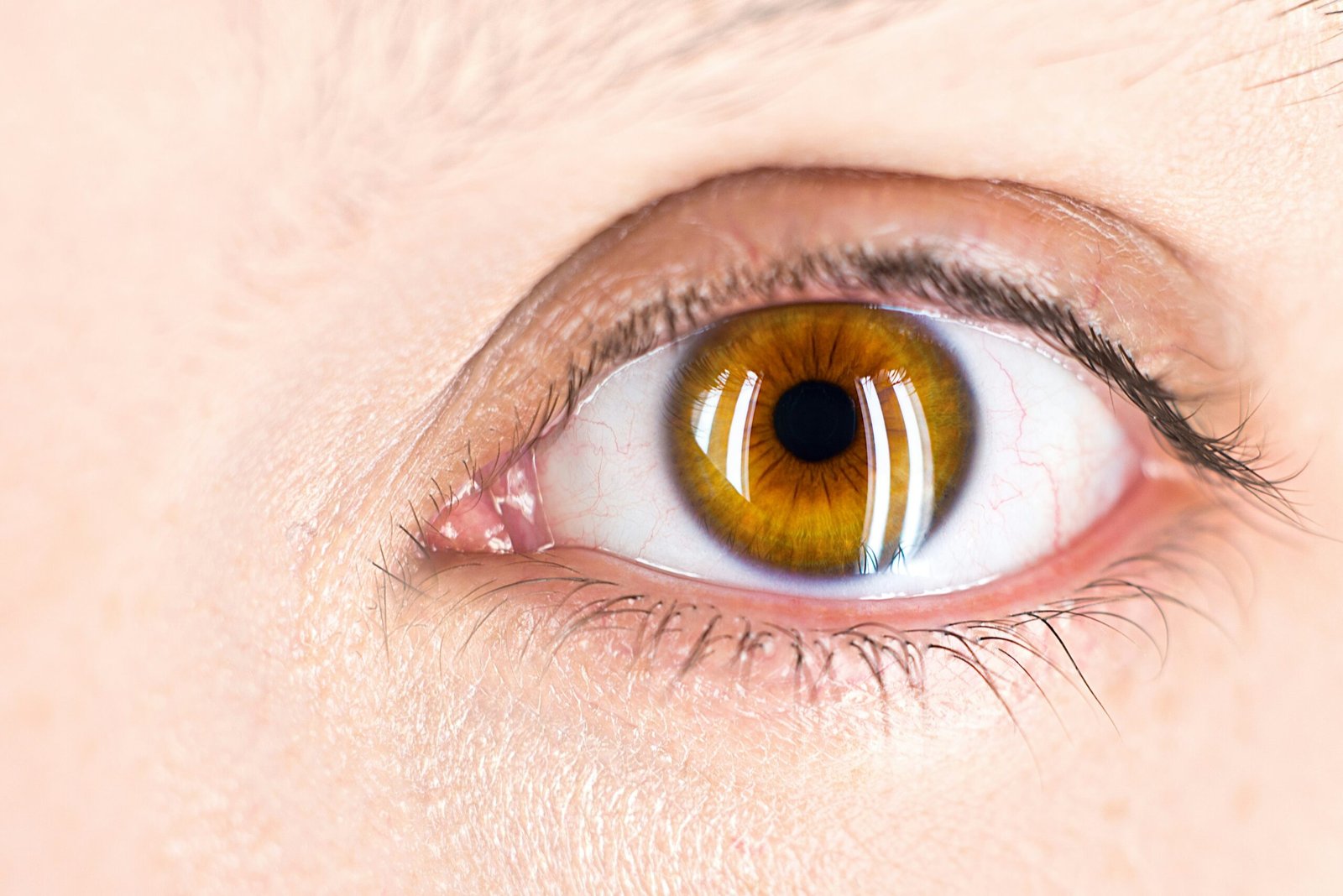
Swollen eyelids can be more than just an annoying cosmetic issue; they often signal underlying health concerns. Whether you woke up with puffy eyes after a long night or experienced sudden swelling, understanding what your body is trying to tell you is crucial. This blog will delve into the common causes of swollen eyelids, explore specific conditions like blepharitis and chalazion, and guide you through treatment options that can bring relief. Let’s uncover the mysteries behind those red and swollen eyelids together!
Understanding Swollen Eyelids: Causes, Symptoms, and Treatments
Swollen eyelids can arise from various factors, ranging from allergies to infections. The delicate skin around the eyes is prone to inflammation, making it essential to identify the root cause for effective treatment. Knowing your symptoms helps in managing this common condition.
Understanding swollen eyelids also requires awareness of accompanying signs like redness or itching. These indicators often reveal whether you’re dealing with a simple irritation or something more serious. By exploring the potential causes and available treatments, you can find relief and restore comfort to your eyes once again.
Red or Swollen Eyelids
Red or swollen eyelids can be alarming and uncomfortable. They may result from various underlying issues, including allergies, infections, or irritations. Identifying the cause is essential for effective treatment.
In some cases, swollen eyelids could indicate a more serious condition requiring medical attention. Observing other symptoms like discharge or pain can help pinpoint the problem. If you notice persistent swelling or redness, seeking professional advice is always wise to ensure proper care and management.
Blepharitis
Blepharitis is a common eyelid condition characterized by inflammation. It can affect both the eyelid margins and the skin around your eyes, leading to discomfort and irritation. This condition often occurs when oil glands become blocked or bacteria build up on the eyelids.
People with blepharitis may experience symptoms such as redness, swelling, and crusty debris at the eyelashes. It can be persistent but is generally manageable with proper care. Regular cleaning of the eyelids and warm compresses can help alleviate discomfort and promote healing.
Chalazion
A chalazion is a small, painless bump that forms on the eyelid due to a blocked oil gland. It can develop when the glands become inflamed and cannot release their natural oils. Although not typically serious, it can cause noticeable swelling and discomfort.
These bumps may appear suddenly or gradually over time. A chalazion often resolves on its own but might require treatment if it persists or affects vision. Warm compresses are commonly recommended to encourage drainage, while persistent cases may need medical intervention for removal or additional care.
Overview of Blepharitis
Blepharitis is a common eye condition characterized by inflammation of the eyelid margins. It often occurs when tiny oil glands near the base of the eyelashes become clogged or irritated. This can lead to discomfort, redness, and swelling in the affected area.
There are two primary types: anterior blepharitis affects the outer edge where lashes grow, while posterior blepharitis involves inflammation of the inner eyelid. Both forms can cause similar symptoms but may require different treatment approaches. Understanding this condition is key to managing and alleviating its effects on your eyes and overall well-being.
What is Blepharitis?
Blepharitis is an inflammation of the eyelid margins, often affecting both eyes. It can cause redness, irritation, and a gritty sensation in the eyes. This condition occurs when oil glands near the eyelashes become clogged or infected.
While it’s not contagious, blepharitis can be uncomfortable and persistent if left untreated. It may result from bacteria, skin conditions like seborrheic dermatitis, or even allergies. Understanding this condition is crucial for effective management and relief from symptoms that can disrupt your daily activities.
Symptoms and Causes
Swollen eyelids can manifest through several symptoms, including redness, itching, and tenderness. You may also experience discomfort or a sensation of heaviness around your eyes. In some cases, the swelling might affect both eyelids or just one.
The causes are varied. Allergies to pollen, dust mites, or pet dander often trigger inflammation. Other common culprits include infections like conjunctivitis and conditions such as blepharitis or chalazion. Understanding these factors is essential for effective treatment and relief from swollen eyelid discomfort.
Diagnosis and Tests
To diagnose a swollen eyelid, an eye care professional will conduct a thorough examination. They will assess the eyelids and surrounding areas while asking about your symptoms and medical history. This helps pinpoint potential causes.
In some cases, additional tests may be necessary. These can include allergy testing or cultures to identify infections. Imaging studies might also be ordered if there’s concern about underlying issues. A precise diagnosis is essential for effective treatment and management of the condition, allowing for targeted care tailored to individual needs.
Management and Treatment
Management of swollen eyelids often starts with identifying the underlying cause. For issues like blepharitis, regular eyelid hygiene is essential. Warm compresses can help reduce swelling and discomfort. Over-the-counter treatments may also provide relief.
For more severe conditions, prescription medications might be necessary. These could include topical antibiotics or anti-inflammatory drops to alleviate symptoms. In cases of a chalazion or other growths, minor surgical intervention may be required for complete resolution. Always consult with an eye care professional to determine the best course of action tailored to your needs.
Prevention
Preventing swollen eyelids starts with good hygiene. Regularly washing your face and keeping the eye area clean can help minimize the risk of infections like blepharitis. Use a gentle cleanser specially formulated for sensitive skin around the eyes.
Additionally, avoid touching or rubbing your eyes frequently. Always wash your hands before applying makeup or contact lenses to prevent irritation. Staying hydrated and getting enough sleep also play vital roles in maintaining overall eye health, contributing to less puffiness and inflammation over time.
Reasons Why Your Eyelid is Swollen
Swollen eyelids can arise from various factors, making it essential to identify the cause. Infections often lead to inflammation, resulting in noticeable swelling. Allergies also play a significant role; exposure to pollen, dust, or pet dander can trigger reactions that affect your eyelids.
Another common reason for swollen eyelids is fluid retention. This may occur due to lack of sleep or excessive salt intake. Additionally, injuries including insect bites or trauma can result in localized swelling around the eyes. Understanding these reasons helps in managing and treating swollen eyelid issues effectively.
Location
The location of the swelling plays a crucial role in determining its cause. Swelling can occur on the upper eyelid, lower eyelid, or both. If only one eyelid is affected, it may indicate an infection or localized allergic reaction. However, if both are swollen, systemic issues might be at play.
Additionally, the specific area of swelling can provide clues about potential underlying conditions. For example, swelling closer to the eye itself may suggest a chalazion or stye. Understanding these nuances helps guide effective treatment options for swollen eyelids and enhances overall care strategies.
Contact Us
If you have questions about swollen eyelids or need professional advice, we’re here to help. Our team at Hallandale Eye Center is dedicated to providing personalized care for your eye health.
Dr. McDevitt and his staff are committed to addressing all your concerns. Reach out today to schedule an appointment or learn more about our services. Your vision matters, and we want to ensure you receive the best possible support for any issues related to swollen eyelids or other eye conditions.
Hallandale Eye Center
At Hallandale Eye Center, patient care is a top priority. The experienced team of professionals is dedicated to providing comprehensive eye health services tailored to individual needs. They understand the discomfort that swollen eyelids can cause and strive to offer effective solutions.
With state-of-the-art technology and innovative treatment options, Hallandale Eye Center focuses on accurate diagnoses and personalized care plans. Whether you’re dealing with common issues like blepharitis or more complex concerns, their commitment ensures you receive the best possible attention for your eye health.
h3: Dr. McDevitt Eye Care
Experiencing a swollen eyelid can be concerning. At Dr. McDevitt Eye Care, we understand the importance of addressing your eye health promptly. Our team is dedicated to providing personalized care tailored to your needs. Whether you are dealing with conditions like blepharitis or chalazion, we’re here to help you find effective solutions.
If you’re facing discomfort from swollen eyelids or any other eye-related issues, don’t hesitate to reach out for expert advice and treatment options. Your vision matters, and we’re committed to helping you maintain it at its best. Schedule an appointment today and take the first step towards clearer, healthier eyes.