
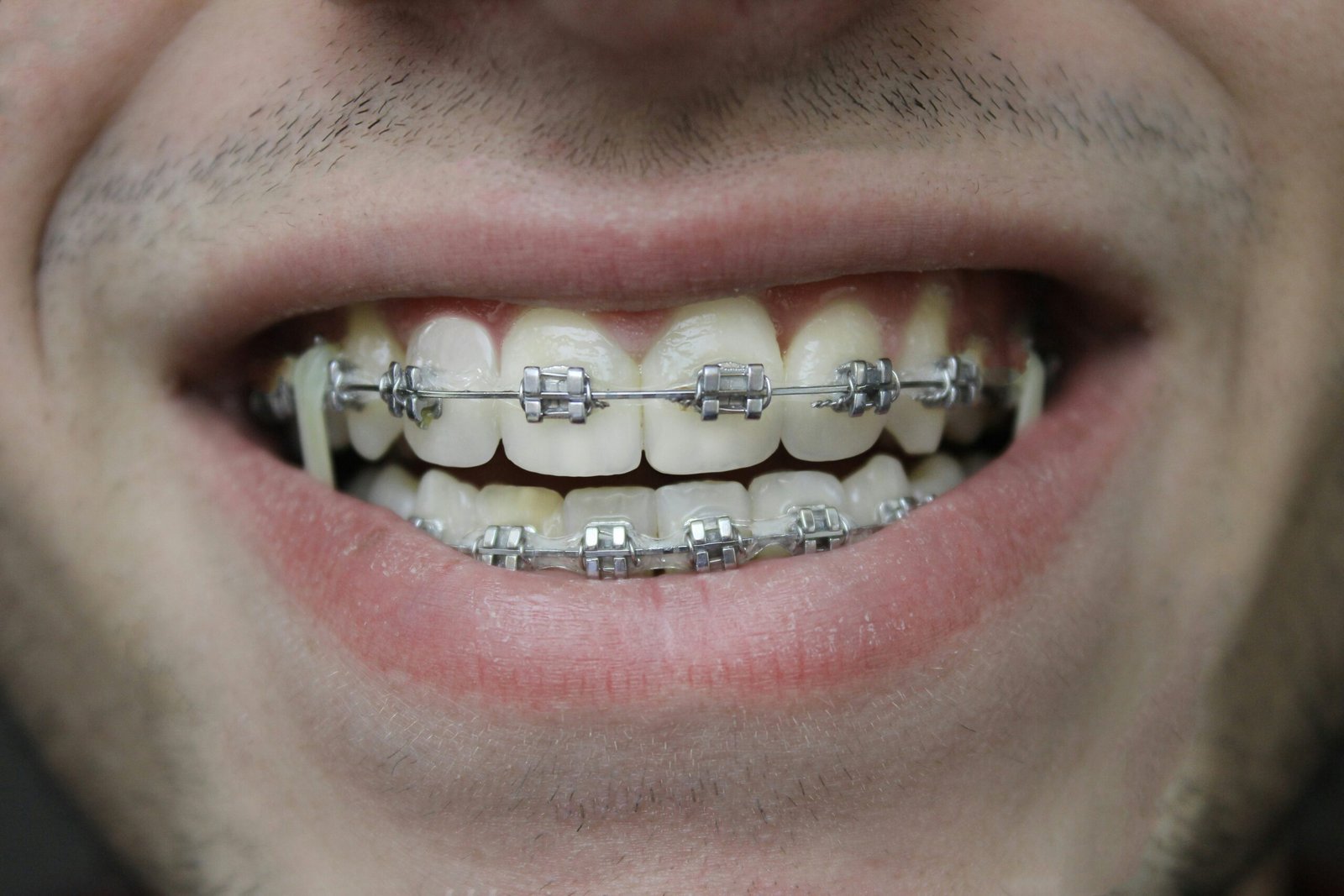
Underbites can be more than just a dental concern; they often impact your confidence and overall well-being. If you’ve ever noticed that your lower teeth protrude beyond the upper ones, you might be dealing with an underbite. This common misalignment affects many people of all ages, yet it remains shrouded in mystery for some. Understanding its causes, symptoms, and treatment options is crucial for anyone navigating this condition. So let’s dive deep into the world of underbites and explore everything you need to know!
Understanding Underbites: Causes, Symptoms, and Treatment Options
An underbite occurs when the lower jaw protrudes past the upper jaw, leading to an uneven bite. This dental misalignment can arise from genetic factors, thumb-sucking in childhood, or prolonged use of pacifiers. Understanding these causes can help individuals and parents recognize early signs.
Symptoms often include difficulty chewing, speech challenges, and discomfort while closing the mouth. Some people may also experience jaw pain or wear on their teeth due to the abnormal alignment. Identifying these issues is vital for effective management and treatment options available later on.
Overview of Underbites
An underbite occurs when the lower teeth protrude beyond the upper teeth, creating a misaligned bite. This dental condition can affect your appearance and oral health. It is more than just an aesthetic concern; it can impact chewing and speech.
Underbites vary in severity and may be present from childhood or develop later due to habits like thumb-sucking or jaw injuries. Understanding this condition is essential for seeking appropriate treatment options, as well as maintaining overall oral hygiene for better long-term outcomes.
Causes and Risk Factors
Underbites can arise from a mix of genetic and environmental factors. If parents have an underbite, their children might inherit the same dental alignment issues. Jaw size discrepancies between the upper and lower jaw also play a significant role in developing this condition.
Certain habits during childhood, like thumb sucking or prolonged pacifier use, can contribute to misalignment. Injuries to the jaw during growth phases may further exacerbate these issues. Understanding these causes helps in recognizing early signs of underbites for timely intervention.
Types and Severity of Underbites
Underbites can vary in type and severity, impacting how they affect an individual. The most common types include dental underbites, where the teeth misalign but jawbones are correctly positioned, and skeletal underbites that involve a misaligned jaw structure.
The severity of an underbite is classified into mild, moderate, and severe categories. Mild cases may only cause minor aesthetic concerns or slight discomfort. In contrast, severe underbites can lead to significant functional issues such as difficulty chewing or speaking, along with increased wear on teeth over time. Each case requires careful evaluation for appropriate management.
Effects and Complications of Underbites
An underbite can lead to various complications beyond aesthetics. Misalignment of teeth may cause difficulty in chewing and speaking, impacting daily life. This misalignment often results in uneven wear on teeth, contributing to potential cavities and gum disease.
Additionally, the strain on jaw muscles can trigger discomfort or pain. Over time, this may develop into temporomandibular joint (TMJ) disorders, causing headaches and further complications. Addressing an underbite early is crucial for maintaining oral health and overall well-being.
Diagnosis and Tests
To diagnose an underbite, a dentist or orthodontist will start with a thorough examination of your teeth and jaw alignment. They may use X-rays to assess the positioning of your teeth and bones in detail. This imaging helps visualize structural issues that might not be apparent through a visual exam alone.
In some cases, additional tests like 3D imaging or impressions may be taken to create a more comprehensive understanding of your bite. These evaluations ensure that any treatment plan is tailored specifically to address the unique aspects of each individual’s underbite condition.
Treatment Options
Treatment options for underbites vary based on severity and age. For mild cases, dentists may recommend orthodontic treatments like braces or clear aligners to realign teeth and improve bite function. These non-invasive methods can significantly enhance dental aesthetics.
For more severe underbites, surgical intervention might be necessary. Jaw surgery can reposition the jawbones to create a balanced bite structure. This treatment often leads to improved functionality and facial symmetry, which is particularly beneficial for adults seeking long-term solutions. Each case should be evaluated by an orthodontist or oral surgeon to determine the best approach tailored to individual needs.
Non-surgical Approaches
Non-surgical approaches to managing an underbite often begin with orthodontic treatment. Braces are commonly used to realign teeth and improve bite function. They can help shift the position of the teeth, making a noticeable difference over time.
Another effective method is dental appliances, such as retainers or expanders. These devices work by guiding jaw growth and correcting alignment issues without invasive procedures. Regular check-ups with your orthodontist ensure that progress is monitored closely, allowing for adjustments when needed to maximize results.
Surgical Intervention
Surgical intervention for underbites is often considered when other treatment options are ineffective. This procedure, known as orthognathic surgery, realigns the jawbone to improve bite function and facial aesthetics. It can be a game-changer, especially for adults who have severe misalignments that braces alone cannot correct.
The process typically involves careful planning and collaboration between orthodontists and oral surgeons. Recovery time varies but usually requires several weeks of adjustment. Patients may experience swelling and discomfort initially, but many find significant improvements in their quality of life following recovery from this transformative surgery.
Can Braces Fix Underbites?
Braces can be an effective solution for some individuals with underbites. They work by gradually shifting the teeth into better alignment, which can help improve bite function over time. For mild cases, braces alone may provide sufficient correction, enhancing both aesthetics and oral health.
However, more severe underbites might require additional treatments alongside braces. Orthodontists may recommend a combination of appliances or even surgical options to achieve optimal results. Each case is unique, so consulting with a professional is essential to determine the best approach tailored to individual needs.
Living with Underbites
Living with an underbite can impact daily life in various ways. Some people may experience difficulty chewing or speaking clearly, which can lead to frustration. Social interactions might also feel affected as individuals become self-conscious about their smiles.
However, many learn to adapt and find comfort in their unique dental structure. Building confidence through orthodontic treatment or seeking support from others who understand the challenges can make a significant difference. Embracing one’s individuality is key while navigating any discomfort associated with having an underbite.
Prevention Strategies
Preventing underbites often starts with early dental care. Regular check-ups can help identify potential issues before they worsen. Encouraging children to develop healthy oral habits is equally vital. This includes avoiding thumb-sucking and using pacifiers beyond infancy.
Additionally, maintaining a balanced diet can play a role in jaw development. Encourage foods that promote chewing and avoid those high in sugar, which can lead to dental problems. Addressing any oral injuries promptly also supports long-term dental health and may lower the risk of developing an underbite later on.
Outlook and Prognosis
The outlook for individuals with an underbite varies significantly based on the severity of the condition and chosen treatment options. Many people see improvements in function and appearance after appropriate interventions, which can enhance self-esteem and overall quality of life.
Prognosis is generally positive when patients adhere to their treatment plans. Regular dental check-ups are essential to monitor progress. Early intervention often leads to better outcomes, making it crucial for those experiencing symptoms to seek professional advice promptly.
Care Tips and Advice
Taking care of your oral health is essential, especially if you have an underbite. Regular dental check-ups can help monitor changes in your bite and overall dental hygiene. Brushing and flossing daily are crucial to prevent tooth decay and gum disease, which can complicate existing issues.
Additionally, consider wearing a mouthguard during physical activities to protect your teeth from injury. Eating softer foods can ease discomfort associated with an underbite while helping you maintain a balanced diet. Staying informed about your condition empowers you to make better choices for long-term wellness.
Frequently Asked Questions about Underbites
Understanding underbites can help demystify this common dental issue. Here are some frequently asked questions to clarify any doubts.
What exactly is an underbite?
An underbite occurs when the lower jaw protrudes beyond the upper jaw, leading to misalignment of teeth.
Can an underbite affect speech?
Yes, it can impact articulation and clarity in speech due to how the teeth align during talking.
Are all underbites the same?
No, they vary in severity and type. Some may be mild while others require extensive treatment.
How do I know if I have an underbite?
If you notice your lower teeth sitting ahead of your upper teeth or experience difficulty chewing, consult a dentist for evaluation.
Is it too late to treat an adult’s underbite?
Not at all! Adults can benefit from various treatments, though intervention options may differ from those available for children.
Will insurance cover treatment for my child’s underbite?
Many dental plans include orthodontic coverage; however, it’s best to check with your provider regarding specifics related to treatment costs.
Seeking professional advice is essential if you suspect you have an underbite or want more information on this condition.