
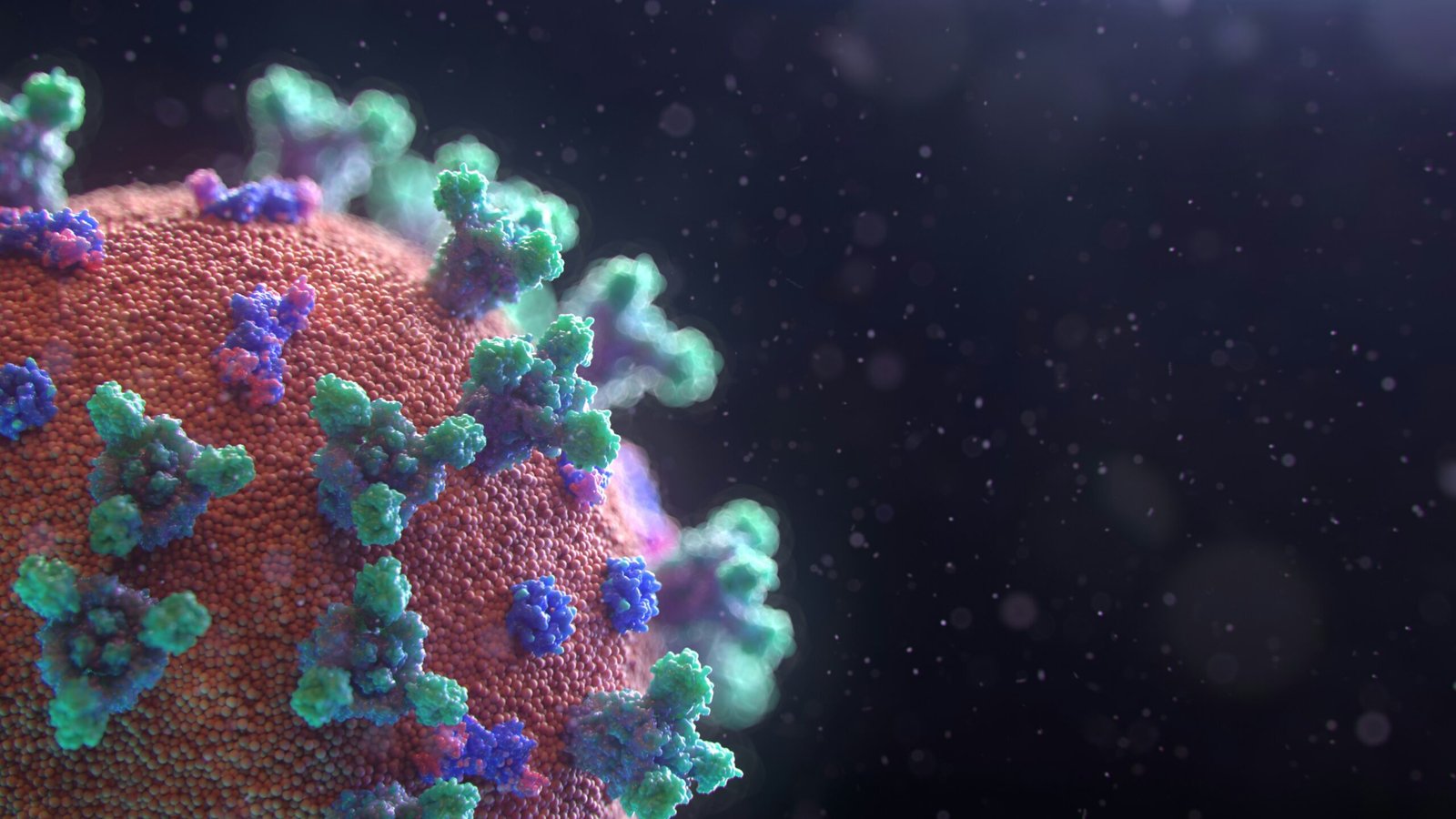
What is a virus? This question often sparks curiosity and concern in equal measure. From common colds to the recent pandemic, viruses play a significant role in our lives—sometimes as silent invaders and other times as powerful agents of change. These tiny entities are everywhere, lurking around us, waiting for an opportunity to take hold. But what exactly makes up these microscopic troublemakers? Dive into the fascinating world of viruses with us as we unravel their mysteries and understand their impact on our health, ecosystems, and evolution.
What Is a Virus? Demystifying the Tiny Invaders in Our Bodies
Viruses are microscopic entities that exist at the edge of life. They cannot replicate on their own and require a host cell to multiply. Composed of genetic material, either DNA or RNA, they are encapsulated in a protein coat called a capsid. Some viruses also have an outer lipid envelope.
These tiny invaders come in various shapes and sizes, adapting quickly to survive. Their unique structures allow them to infiltrate hosts effectively, making them both fascinating and formidable players in the realm of biology.
Introduction
Viruses are some of the smallest and most intriguing entities in our world. Often misunderstood, they possess unique characteristics that set them apart from other microorganisms. As tiny invaders, they play crucial roles within ecosystems and can significantly impact human health.
Understanding what a virus is requires delving into its complex structure and behavior. These elusive agents have fascinated scientists for decades as they navigate the delicate balance between life and non-life, challenging our perceptions of biology along the way.
Understanding Viruses
Viruses are microscopic entities that exist at the edge of life. They cannot replicate on their own, relying instead on host cells to multiply and spread. This unique dependency sets them apart from other microorganisms like bacteria.
Composed mainly of genetic material encased in a protein shell, viruses can infect various organisms, from humans to plants. Their simple structure belies their complexity and adaptability, making them intriguing subjects for researchers worldwide as they unravel the mysteries behind these tiny invaders.
Origins and Discovery
The origins of viruses trace back to the dawn of cellular life, though their exact beginnings remain elusive. Researchers speculate that they may have evolved from genetic elements that escaped from cells or even originated as ancient cellular organisms.
The discovery of viruses began in the late 19th century when scientists identified tobacco mosaic virus, signaling a new realm of microbial study. This breakthrough opened doors to understanding these microscopic entities and sparked curiosity about their role in disease and ecology.
Microscopic World of Viruses
The microscopic world of viruses is both fascinating and complex. These tiny entities, often invisible to the naked eye, exist in a realm far smaller than bacteria. Ranging from 20 to 300 nanometers in size, they are among the simplest forms of life.
Despite their simplicity, viruses exhibit incredible diversity. They can infect various hosts—plants, animals, and even other microorganisms. This adaptability allows them to thrive in numerous environments, showcasing nature’s remarkable ingenuity at a microscopic scale.
Unveiling the Virus Structure
Viruses are incredibly simple yet fascinating structures. They consist of a core made up of genetic material, either DNA or RNA, surrounded by a protective protein shell known as a capsid. This design allows them to efficiently invade host cells and hijack their machinery for replication.
Some viruses have an additional outer lipid envelope that makes them more adaptable in various environments. The unique shapes and sizes of viruses contribute to their ability to infect specific types of cells, showcasing the remarkable diversity within this microscopic world.
Viral Genome and Mutations
Viruses possess a unique genome that can vary widely between species. Some have RNA genomes, while others have DNA. This genetic material is often much smaller than what we find in living organisms. The simplicity of viral genomes allows them to replicate quickly and adapt rapidly.
Mutations are common among viruses due to their high replication rates. These changes can lead to new strains, affecting how easily they spread or evade the immune system. Understanding these mutations helps researchers develop better vaccines and treatment options for viral infections.
The Replication Process
Viruses have a unique way of replicating that sets them apart from living organisms. They depend entirely on their host cells to reproduce. Once inside, the virus hijacks the cell’s machinery, redirecting it to produce new viral components.
This process involves several steps: attachment, entry, uncoating, replication, assembly, and release. After taking control of the host’s resources, hundreds or thousands of new viruses can be created within hours. This rapid multiplication is what makes viruses particularly effective at spreading and causing infections in various hosts.
Impact of Viruses on Host Cells
Viruses have a profound impact on host cells, hijacking their machinery to replicate. Once inside, they take control of cellular processes, often leading to cell damage or death. This manipulation can disrupt normal functions and trigger immune responses.
The effects vary widely depending on the virus type and host organism. Some viruses cause mild infections with little harm, while others induce severe illness. The consequences extend beyond individual cells; they can affect entire tissues and organs, ultimately influencing overall health outcomes for the host.
Dormancy and Latent Infections
Viruses can enter a state of dormancy, evading the immune system while remaining within host cells. This period, known as latency, allows viruses like HIV and herpes to persist without causing immediate symptoms.
During this time, they may reactivate due to various triggers such as stress or illness. Once reactivated, the virus begins replication again, often leading to outbreaks that can catch individuals off guard after long periods of silence. Understanding this phenomenon is crucial for effective treatment and management strategies in viral infections.
Exploring Host Range
Viruses exhibit a fascinating ability to infect diverse organisms, ranging from humans to plants and animals. This variety stems from their unique adaptations that allow them to enter host cells effectively. Each virus has specific hosts it targets, often determined by the compatibility of viral proteins with cell receptors.
Understanding the host range helps scientists predict how viruses might jump between species, leading to new outbreaks. By studying these interactions, researchers gain insights into viral behavior and can develop strategies for prevention and treatment across different species.
Diverse Classification of Viruses
Viruses come in various shapes and sizes, leading to their classification into distinct groups. The most common categories are DNA viruses and RNA viruses, based on the type of genetic material they contain. Each category is further divided based on specific traits.
Some well-known families include retroviruses, which replicate through reverse transcription, and bacteriophages that specifically infect bacteria. This diversity highlights how adaptable viruses can be, evolving unique strategies for survival and infection across different environments and hosts.
Viruses in Human Health
Viruses play a significant role in human health, influencing everything from common colds to severe diseases like HIV and COVID-19. Their ability to mutate quickly poses challenges for vaccine development and treatment options, making them formidable foes in the medical field.
On the flip side, understanding viruses has led to advancements in gene therapy and vaccines. Researchers are harnessing their properties to combat various illnesses, transforming our approach to healthcare. This complex relationship underlines the importance of ongoing virus research in safeguarding public health.
Viral Infections in Various Species
Viruses are not selective; they infect a wide range of species. From humans to plants and animals, these tiny invaders adapt to their hosts with remarkable efficiency. For example, the flu virus affects birds and mammals alike, showcasing its ability to jump between species.
In aquatic systems, viruses can impact fish populations significantly. They play crucial roles in maintaining ecological balance by regulating host population sizes. The diversity of viral infections across various organisms highlights the intricate relationships within ecosystems and underscores the need for comprehensive research on their effects.
Viruses in Ecosystems and Evolution
Viruses play a crucial role in ecosystems, influencing population dynamics and nutrient cycling. They can regulate microbial communities by targeting specific bacteria and archaea, which helps maintain balance in various habitats. This interaction fosters biodiversity.
In terms of evolution, viruses contribute to genetic diversity through horizontal gene transfer. By integrating their genomes with host DNA, they introduce new traits that can drive adaptations. This process illustrates how viruses are not mere pathogens but essential players in ecological and evolutionary narratives.
Applications and Significance
Viruses play a crucial role in various applications beyond disease. They are increasingly used in gene therapy, where modified viruses deliver therapeutic genes to treat genetic disorders. This innovative approach holds promise for transforming how we manage inherited conditions.
Moreover, bacteriophages—viruses that infect bacteria—are being explored as alternatives to antibiotics. As antibiotic resistance rises, these natural predators of bacteria could offer new hope for treating infections effectively and safely. Their versatility showcases the multifaceted significance of viruses in science and medicine today.
Future Frontiers in Virus Research
The ongoing exploration of viruses is paving the way for groundbreaking discoveries. Scientists are leveraging new technologies to unravel viral complexities, enhancing our understanding of these tiny invaders. Gene editing tools like CRISPR offer promising avenues for combating viral infections and developing vaccines.
Moreover, research into virotherapy—a treatment that employs viruses to target cancer cells—holds great potential in medicine. As we delve deeper into the world of viruses, collaboration across disciplines becomes essential. This unified approach could unveil innovative strategies to address current and emerging viral threats.
With each breakthrough, we inch closer to harnessing the power of viruses for beneficial purposes while safeguarding public health. The future looks bright as we venture further into this microscopic frontier, eager to discover what lies ahead in virus research.