
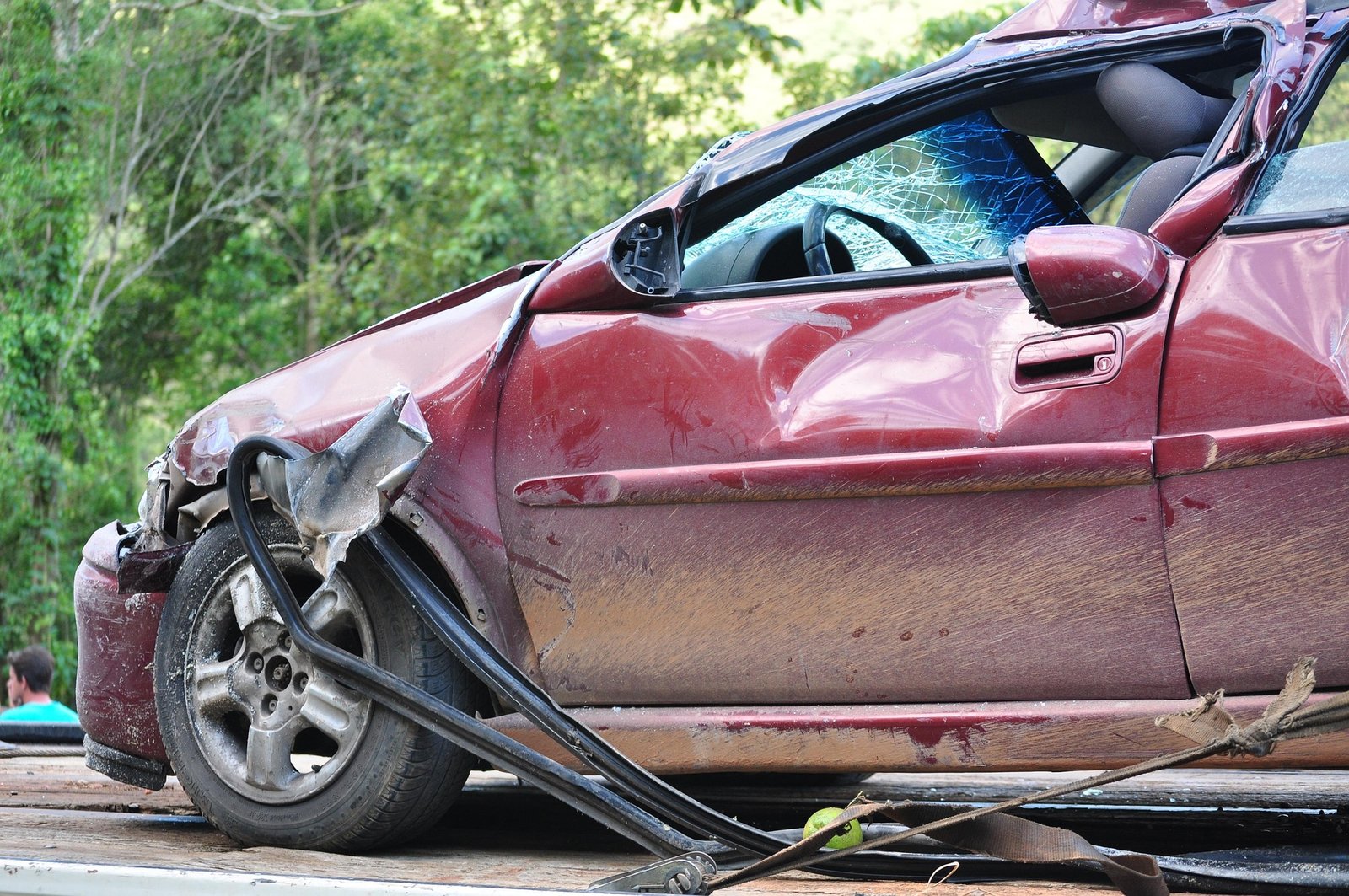
Total loss frequency hit a record high of 23.1% in early 2026. Insurance carriers now opt for immediate write-offs more often than ever before. This shift is happening because repair complexities have ballooned, and carriers are no longer just asking if a car can be fixed. Instead, they are asking if the liability of the repair is worth the cost.
Modern vehicles are like rolling computers on wheels. A minor collision can damage sensitive internal systems that are invisible to the naked eye, which creates a liability gap. Insurers fear that a miscalibrated safety sensor could lead to a future accident.
To avoid this infinite liability, they choose to total the vehicle. They pay out the Actual Cash Value (ACV) and move on. This leaves many drivers surprised when their seemingly drivable car is declared a total loss.
Why High Tech Safety Sensors Drive Up Repair Bills
In 2026, minor dents can also lead to total losses because of the ADAS Tax. Advanced Driver Assistance Systems (ADAS) include sensors, cameras, and lidar. Automotive engineers integrate these components into bumpers, grilles, and windshields. The hardware is expensive, but the labor is the real driver of cost. Most sensors require precise recalibration.
Technicians use two primary methods:
- Static recalibration requires a specialized environment with specific lighting and level floors. Technicians use physical targets to align sensors.
- Dynamic recalibration needs the technician to drive the vehicle at specific speeds on well-marked roads for a set amount of time.
If a vehicle requires both, the labor costs can easily push a repair estimate past the 70% threshold. Modern vehicles are digitally totaled even when they are structurally sound. A single cracked camera lens can disable the entire safety suite, making the car a high-risk repair for any insurance company.
State Laws and Mathematical Rules for Total Losses
According to the World Population Review, total loss rules vary significantly by state. In 2026, these differences determine whether you keep your car or get a check. Most states use a Total Loss Threshold (TLT). This is a fixed percentage of the vehicle’s ACV.
On the other hand, states like Texas, Colorado, and Florida use the Total Loss Formula. The formula totals a car when the cost of repair plus the salvage value exceeds the car’s Actual Cash Value. It ensures that insurers account for the high resale price of modern components when deciding whether to fix or scrap a vehicle.
In 2026, salvage values are at an all-time high. Lithium-ion batteries from EVs and specialized aluminum parts are valuable. Because the salvage value is so high, the cost to repair side of the equation doesn’t have to be very large to trigger a total loss. This formula often totals vehicles faster than fixed-percentage states.
Systemic Valuation Errors Manipulating the Total Loss Formula
In 2025, A federal jury verdict in Arkansas found that major insurers like State Farm used flawed software to shortchange policyholders on totaled vehicles. These companies lowered the Actual Cash Value (ACV) by applying negotiation adjustments that didn’t reflect real-market prices. This legal battle highlights why you cannot always trust an initial insurance offer.
The federal judge granted preliminary approval for a $15.6 million settlement in the Chadwick v. State Farm class action. It was found that insurers systematically underpaid Arkansas policyholders. The case centered on negotiation adjustments. These arbitrary 9% deductions applied to vehicle valuations didn’t reflect the real-world market. Keith Law Group notes that such actions are often referred to as ‘bad faith,’ and you may need a car accident lawyer to audit such valuation reports.
Residents in areas like Benton County are now in a unique position to challenge these software-driven underpayments. A Bentonville or Rogers car accident lawyer can be essential for auditing valuation reports. They can ensure that these automated deductions aren’t being used to illegally lower settlements for local drivers who are entitled to the full Actual Cash Value of their vehicles.
Replacement Gap is a Financial Trap for Every Driver
Vehicle values have stabilized in 2026, but the replacement gap is wider than ever. According to Yahoo Finance, standard five-year depreciation rates typically leave the average new vehicle worth just 45% of its original sticker price. However, the check you receive from an insurer is rarely enough to buy an equivalent replacement.
Insurers pay the Actual Cash Value. This does not include dealer markups or reconditioning fees. You might receive $25,000 for your totaled SUV, but the same model at a dealership can cost $28,500.
There is also the interest rate trap. Many drivers are currently paying off auto loans with lower interest rates from a few years ago. If their car is totaled today, they must buy a new car at 2026 interest rates. This can add hundreds of dollars to a monthly payment. This is why Gap Insurance has become a critical tool for car owners. It covers the difference between what you owe on your loan and what the insurance company pays you.
Surging Repair Costs Outpacing Inflation
Repair costs have risen 47% since 2020. The Bureau of Labor Statistics reported a sharp rise in vehicle maintenance costs by late 2025. Prices for car repairs jumped 5% in August alone, contributing to a 15% year-over-year increase. Over the last four years, these repair expenses have surged by more than 33%, significantly outpacing general inflation.
Several factors contribute to this surge:
- Shops must invest in expensive diagnostic computers and aluminum welding stations.
- There is a nationwide shortage of certified ADAS technicians.
- The average age of a car on U.S. roads hit 13 years in 2026.
Older vehicles are extremely vulnerable. A 13-year-old car has a low ACV. Repair labor rates are the same for an old car as they are for a new one. Therefore, minor aesthetic damage like hail or a broken headlight can total the vehicle. Days to repair at collision repair shops have also increased. If a part is backordered for six weeks, the cost of providing you with a rental car can also push a borderline vehicle into the total loss category.
AI Intervention and Instant Total Loss Declarations From Photos
In 2026, many total loss decisions happen before a human ever sees the car. Insurance companies use AI tools powered by Graph Neural Networks (GNNs).
The process is simple:
- You take photos of the damage with your smartphone.
- The AI compares these photos to millions of other accident images.
- It calculates the probability of total loss.
If the probability is high, the insurer declares a total loss immediately. This saves them money on manual inspection, towing, and storage fees.
However, AI often misses hidden damage. An AI might see a crumpled bumper and assume the frame is bent. This can lead to a premature total loss declaration. Consumers should always have the right to request a manual review or a physical inspection by a human adjuster if the AI’s estimate seems suspiciously low.
The Hidden Soft Costs of a Total Loss
The check from the insurance company is only part of the story. There are several soft costs that drivers often forget:
- Most policies cap rental coverage at 30 days. In the 2026 market, finding, financing, and purchasing a new car can take 45 days or more.
- You must pay sales tax and registration fees on your replacement vehicle. Some states require the insurer to reimburse these costs, but many do not.
- Navigating the total loss bureaucracy takes time. Many drivers lose hours of work time dealing with adjusters, banks, and dealerships.
Protecting Your Rights in 2026
You do not have to accept the first offer from an insurance company. You have tools to fight an undervalued settlement. If you and the insurer disagree on the value of your car, you can hire an independent appraiser. They will conduct a market value appraisal to find true comparable vehicles in your local area.
You should also maintain a repair portfolio. Keep receipts for new tires, recent engine work, or aftermarket upgrades. These can increase the ACV of your vehicle. Insurance companies often use technical jargon and AI data to justify low settlements. This is especially common in complex accidents involving multiple vehicles or high-tech components.
Conclusion
If you feel the insurance company is ignoring the technical reality of your claim or lowballing your vehicle’s value, it is time for professional help. A qualified car accident lawyer can subpoena vehicle metadata and black box data to ensure your claim reflects the true technical and financial value of your loss.
Understanding the hidden costs of total loss thresholds helps you navigate the 2026 market. Whether it is ADAS recalibration or the total loss formula, staying informed ensures you don’t leave money on the table after an accident.